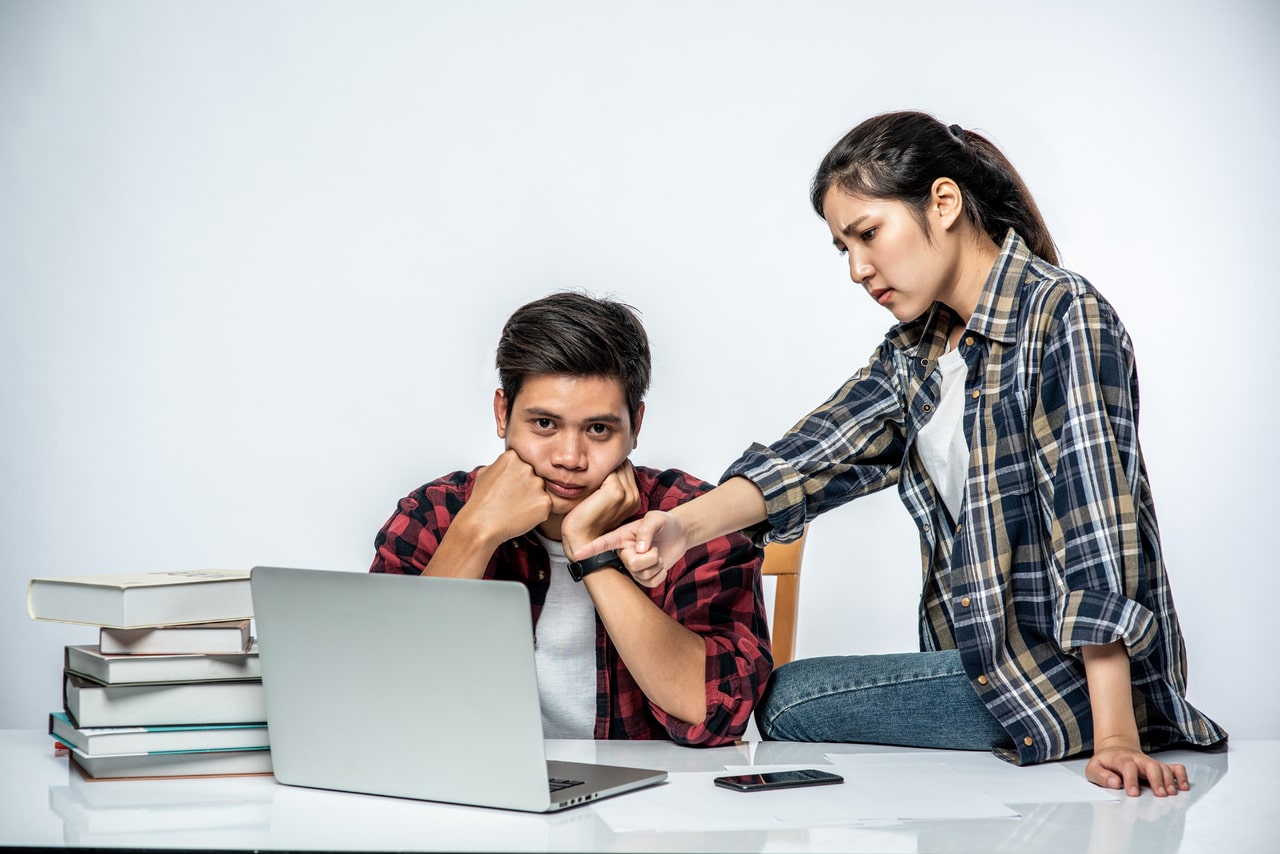
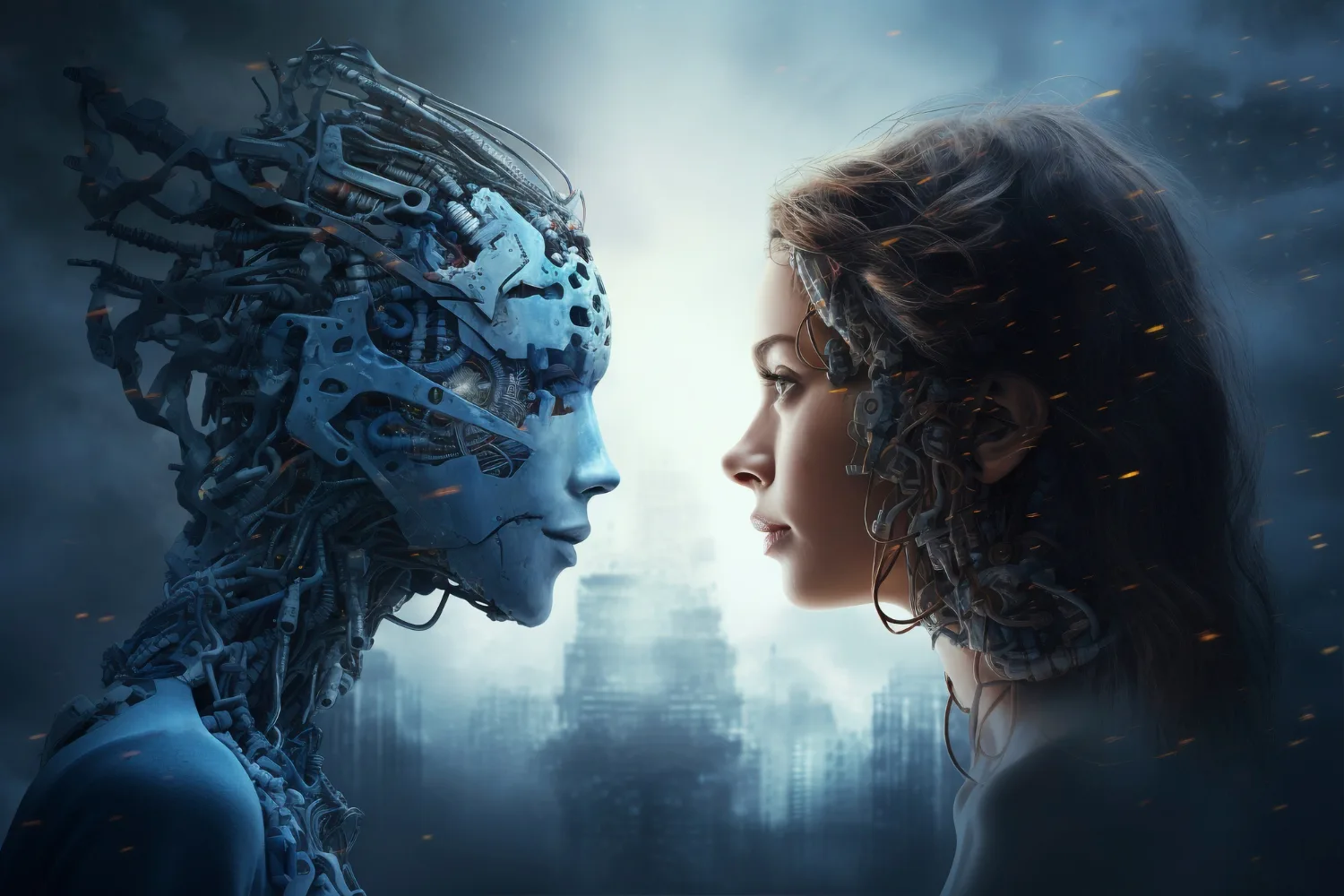
The release of tools like Midjourney and DALL-E has sparked one of the most heated debates in the history of creativity. On one side, tech enthusiasts declare the dawn of a new artistic golden age. On the other, traditional artists worry that their craft, honed over years of practice, is becoming obsolete.
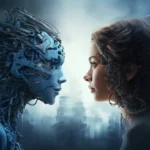
The question “AI Art vs Human Art” is not just about technology; it is about the definition of humanity itself. Can a machine truly create, or is it just mimicking? As we navigate this shifting landscape, it is crucial for students and art lovers to look past the panic and understand the real relationship between the artist and the algorithm.
A History of Disruption
To understand the future, we must look at the past. This is not the first time technology has threatened the art world. In the 19th century, the invention of the camera caused a similar panic. Painters declared that “art is dead” because a machine could capture reality perfectly in seconds—something that took a painter weeks to do.
However, photography did not kill painting. Instead, it freed it. Because painters no longer needed to focus purely on realism, they invented Impressionism, Cubism, and Surrealism. Similarly, AI art is not here to replace human expression but to force it to evolve. It handles the technical execution, allowing the artist to focus purely on the concept and the emotion.
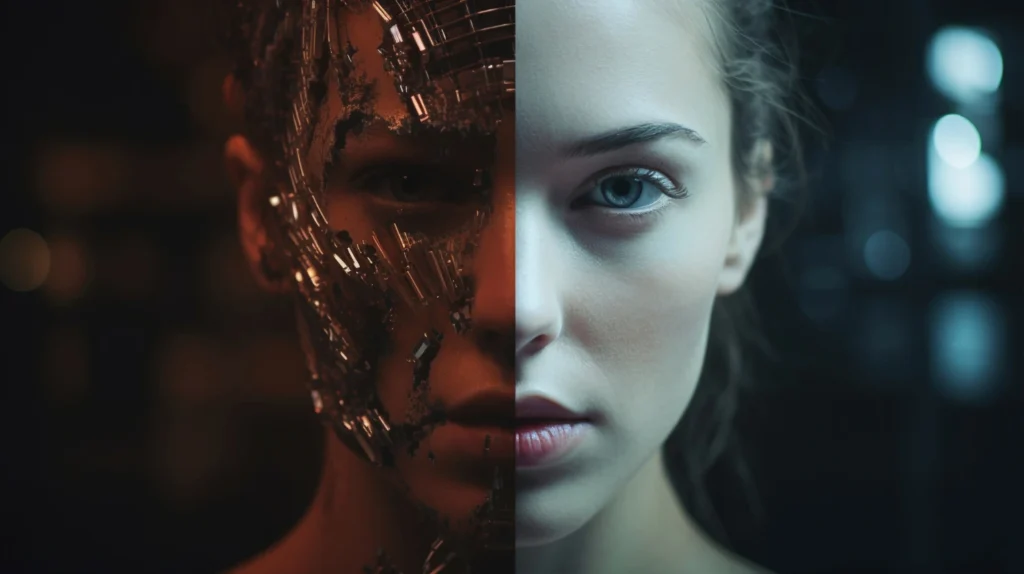
The Difference: Emulation vs. Experience
The biggest argument for human art is the “soul.” AI generators work by analyzing billions of images and finding patterns. They predict what a pixel should look like based on statistics.
What AI lacks is lived experience.
- An AI can generate a picture of a heartbreak, but it has never felt a broken heart.
- It can paint a sunset, but it has never felt the warmth of the sun.
Human art is valuable because it is a form of communication. When you look at a Van Gogh, you are not just looking at colors; you are connecting with another human being’s struggle and perspective. This emotional connection is something AI cannot replicate. It can mimic the style, but it cannot mimic the intent.
The Rise of The Hybrid Artist
The future is likely not “AI vs Human,” but “AI + Human.” We are entering the era of the “Hybrid Artist” or the “Centaur.”
In this model, the artist uses AI as a superpower.
- Ideation: Instead of sketching for days, an artist can generate twenty variations of a concept in minutes to find the best composition.
- Reference: Instead of hiring models or searching stock sites, an artist can generate their own reference material.
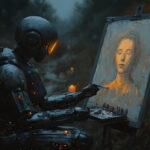
- Execution: A painter might use AI to create a base texture and then paint over it with oil paints to add the human touch.
For students today, learning to prompt is becoming as essential as learning to mix colors. It is another brush in the kit.
The “Handmade” Premium
Paradoxically, the flood of AI art might actually increase the value of traditional human art. In economics, when something becomes abundant, its value drops. When something is scarce, its value rises.
As the internet fills with perfect, digital AI images, the imperfections of human art—the brushstrokes, the charcoal smudges, the slight asymmetry—will become a sign of luxury. We are already seeing a resurgence in appreciation for physical crafts like pottery, oil painting, and film photography. People crave the “human touch” in a digital world.
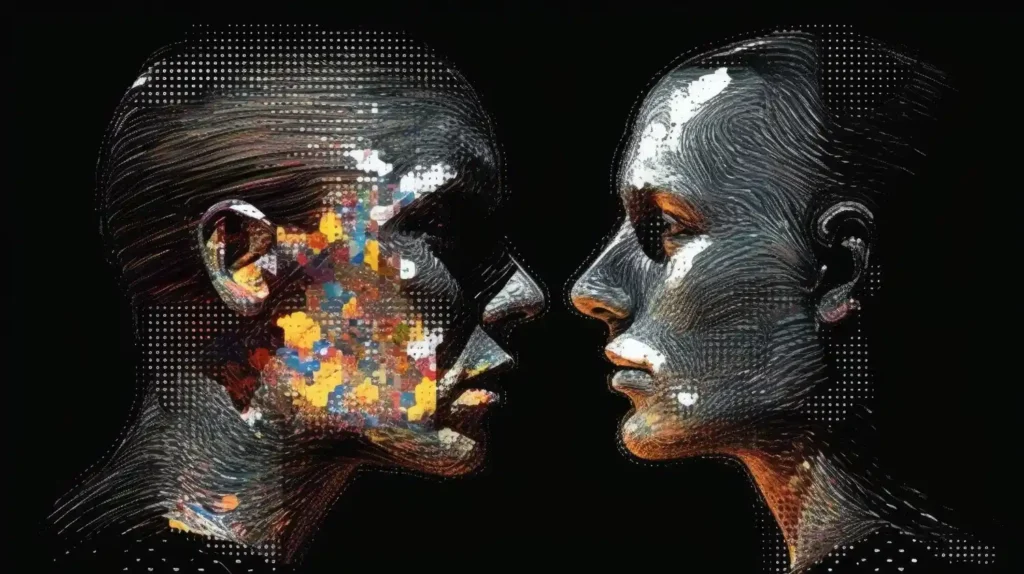
Ethical Considerations
We cannot discuss this topic without addressing the legal and ethical gray areas. AI models are trained on the work of human artists, often without consent. This has raised valid questions about copyright and compensation.
For the industry to mature, we need a system where artists are respected. Tools like Adobe Firefly are stepping in the right direction by using licensed data, but the conversation is far from over. As consumers of art, we have a responsibility to support human creators even as we explore new tools.
Conclusion
So, will AI replace human artists? The answer is no. It will replace artists who refuse to adapt, but it will not replace art itself. Creativity is an innate human need. We created art in caves with burnt sticks, and we will create art in the cloud with neural networks.
The medium changes, but the messenger remains the same. The future of expression lies in the hands of those who are brave enough to collaborate with the machine while keeping their human heart at the center of the work.