The Beginning
Ai Weiwei Biography: From Beijing To The World
When we look at the Ai Weiwei Biography, we are not just reading about an artist but about a figure who stands as a symbol of resistance and creative freedom. Born in Beijing in 1957, his life was shaped early on by the political turmoil of China. His father, the renowned poet Ai Qing, was denounced as a rightist, leading the family to be exiled to a labor camp in Xinjiang when Weiwei was just a child.
Growing up in these harsh conditions taught him resilience and gave him a deep understanding of political oppression. These early experiences became the fuel for his later work, which constantly challenges authority and champions individual rights. After the death of Mao Zedong, the family returned to Beijing, allowing him to enroll in the Beijing Film Academy and begin his artistic journey with the avant-garde Stars Group.
The Formative Years
Studying Film And Living In New York
In 1981, looking for more creative freedom, he moved to the United States. This period was crucial for his development. He lived in Philadelphia and San Francisco before settling in New York City. There, he studied at the Parsons School of Design and immersed himself in the vibrant art scene of the East Village.
During his twelve years in New York, he discovered the works of Marcel Duchamp and Andy Warhol. Conceptual art and pop art deeply influenced his thinking. He began experimenting with readymades and photography, documenting his life and the changing world around him. This time abroad gave him the external perspective he needed to critique the cultural landscape of his home country upon his return.
Artistic Evolution
Key Moments In His Career
His career spans decades and covers sculpture, photography, architecture, and social activism. Here are some of the most significant pillars of his work that define his style.
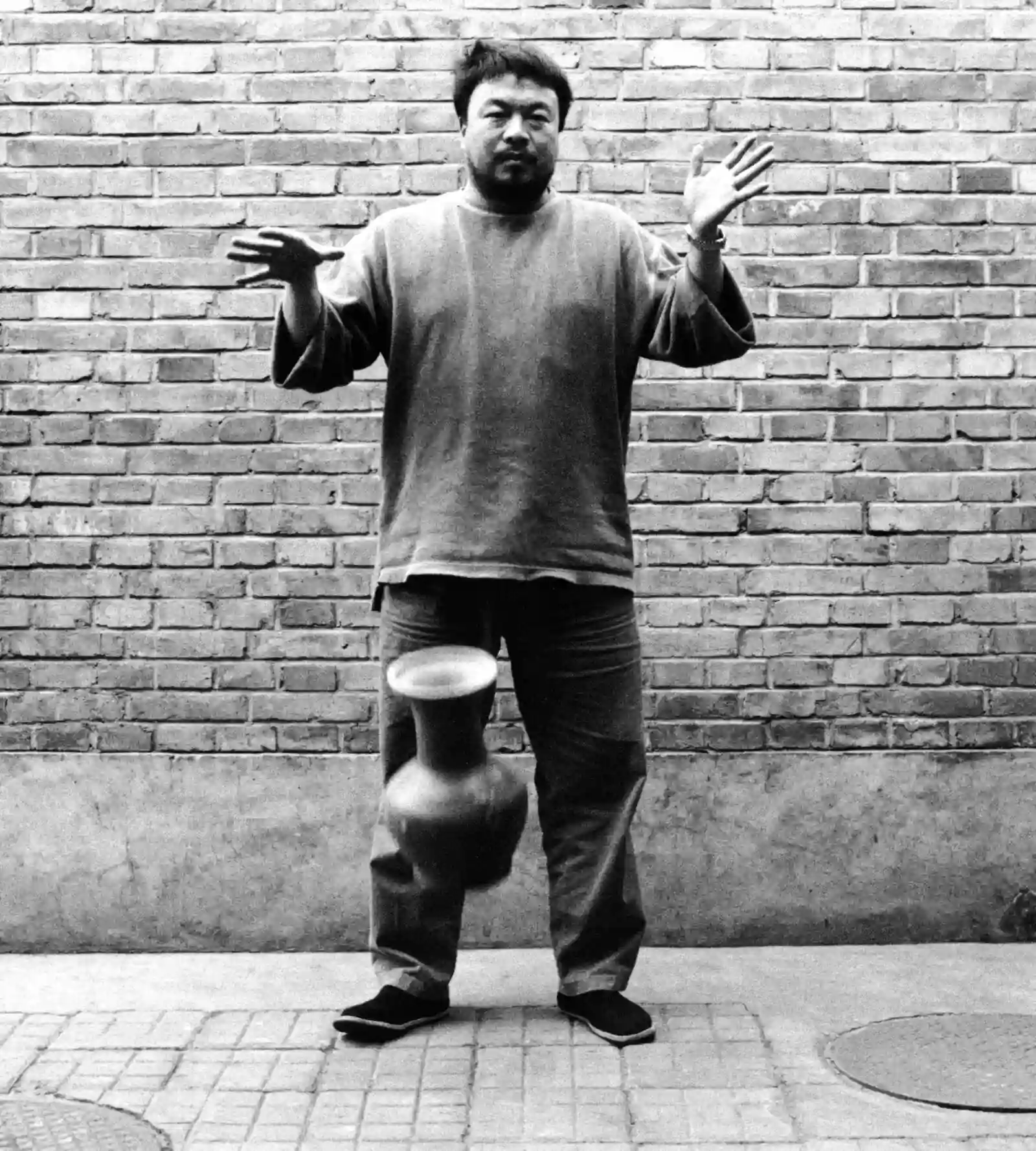
Dropping A Han Dynasty Urn
In this provocative photographic series, he smashed a 2,000-year-old ceremonial urn. It was a shocking act that questioned how we value history and whether destruction can also be a form of creation.
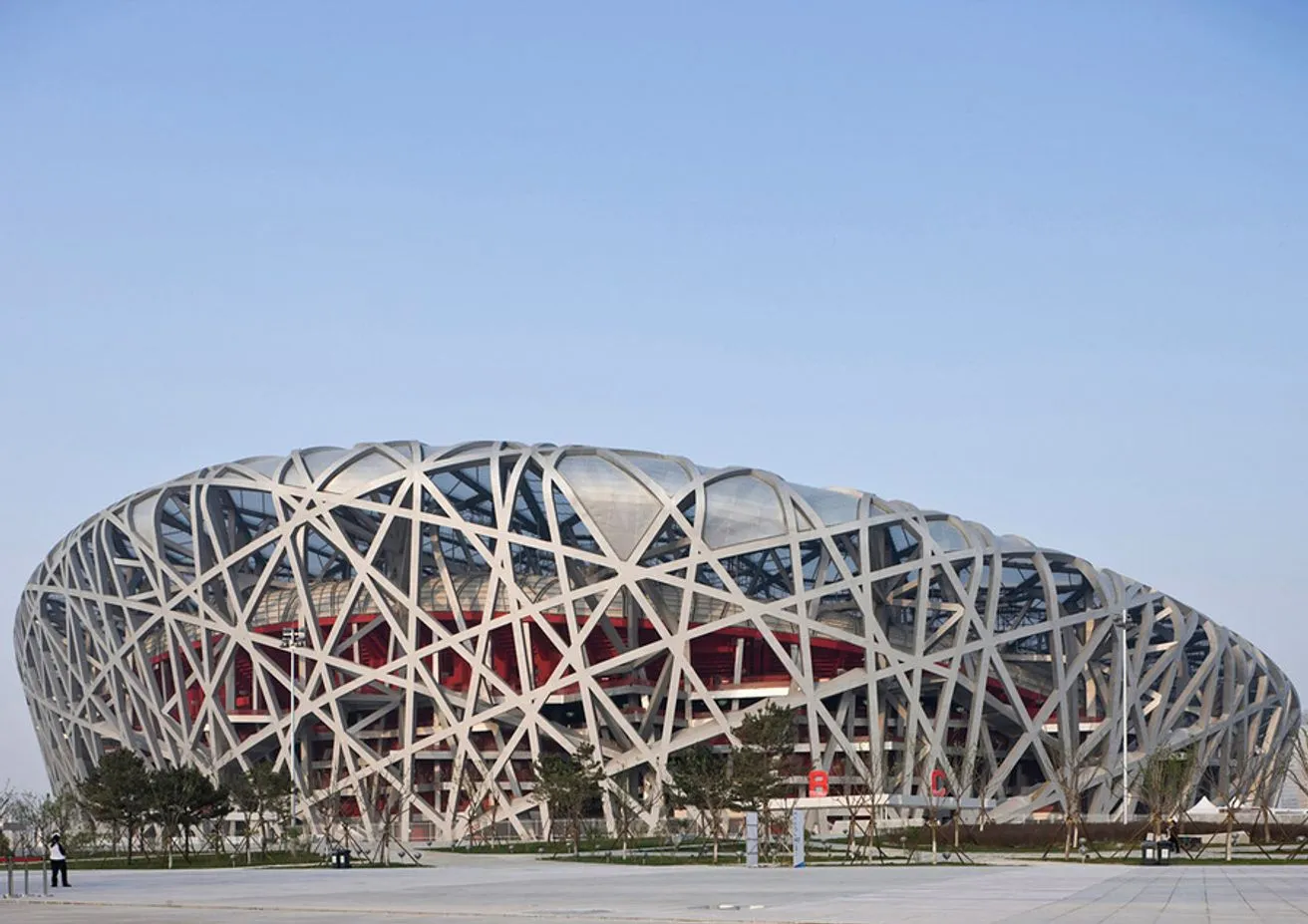
The Bird’s Nest Stadium
He collaborated with Swiss architects to design the National Stadium for the 2008 Beijing Olympics. Later, he famously distanced himself from the project, criticizing the event as a propaganda tool for the state.
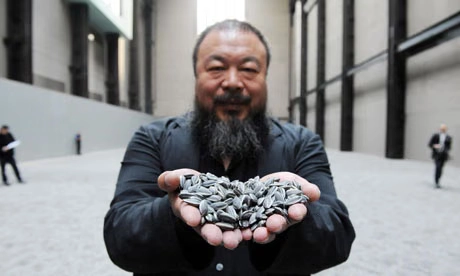
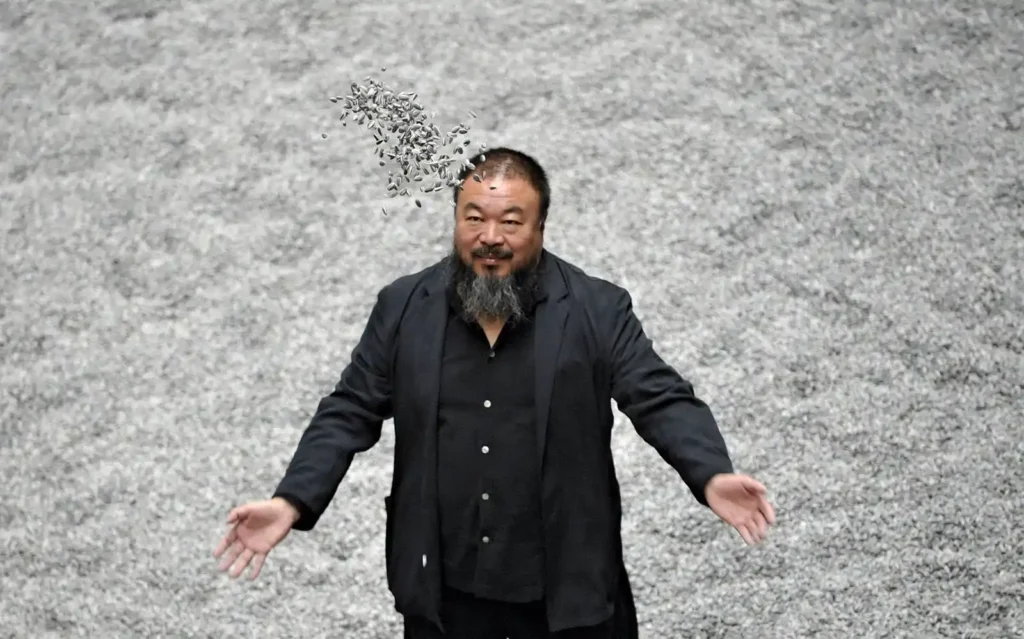
Sunflower Seeds
This is perhaps his most famous installation, featuring millions of porcelain seeds. It represents the relationship between the individual and the masses, highlighting the power of collective effort.
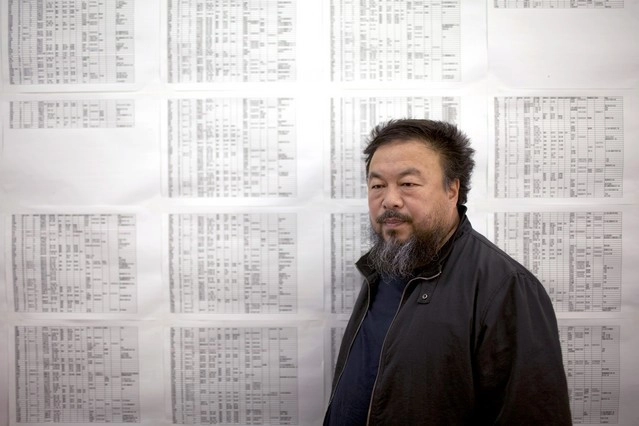
Investigation Of The Sichuan Earthquake
After the devastating 2008 earthquake, he launched a citizen investigation to find the names of students who died in poorly built schools. This act of seeking truth directly conflicted with government narratives.
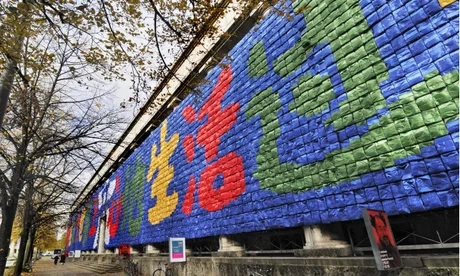
Remembering
Using nine thousand children’s backpacks, he created a massive installation on the façade of the Haus der Kunst in Munich. The text spelled out a sentence from a grieving mother, memorializing the young victims of the earthquake.
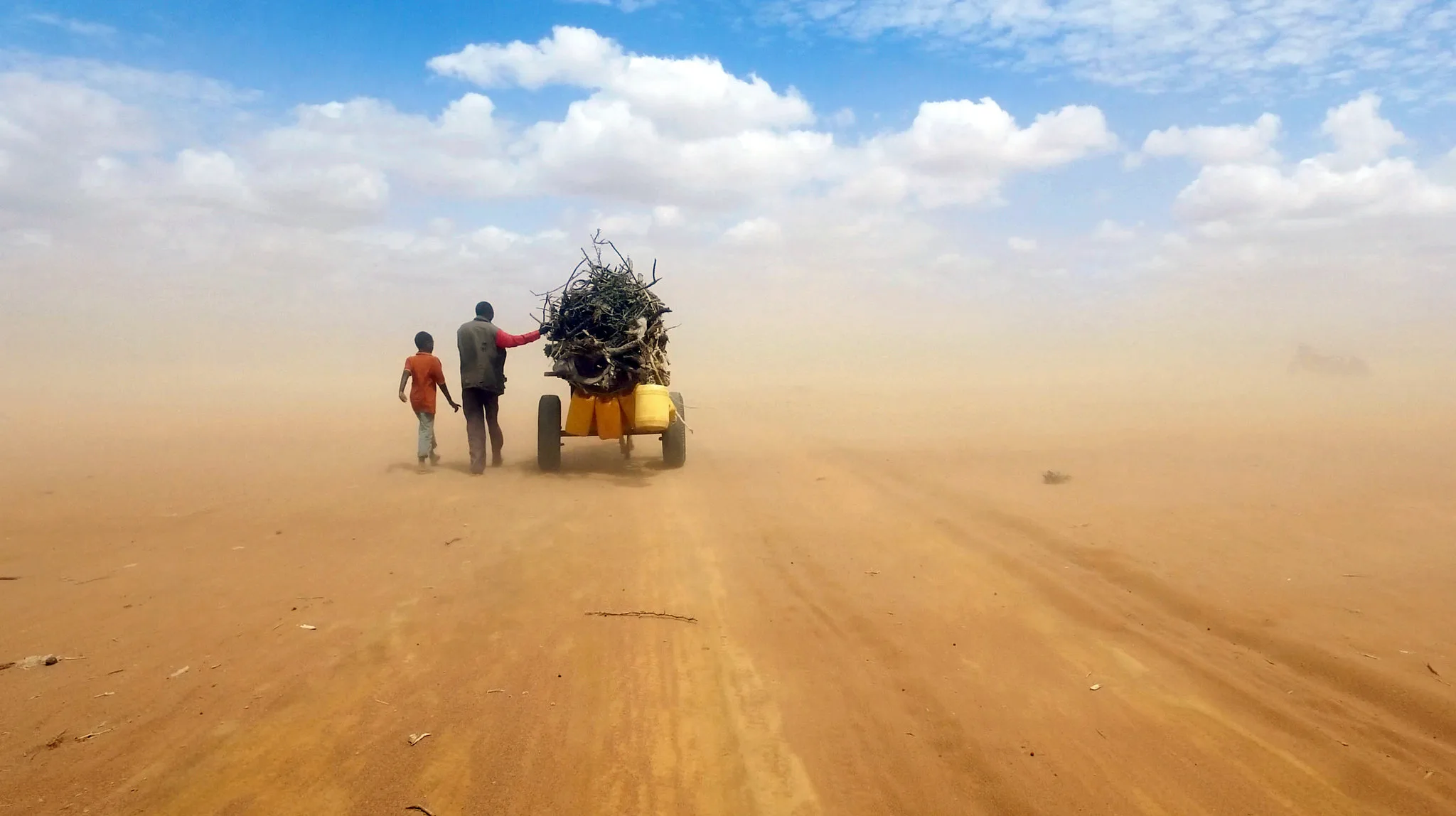
Human Flow
Turning to film, he directed a documentary about the global refugee crisis. He visited over twenty countries to capture the scale of human displacement, proving his art is always connected to urgent humanitarian issues.
Activism And Confrontation With Authority
The Price Of Speaking Out
His dedication to truth has often put him in dangerous situations. He was one of the first major Chinese artists to use the internet and social media as a primary medium for his art and activism. Through his blog and Twitter, he criticized corruption and advocated for transparency, which attracted severe scrutiny from officials.
In 2011, he was arrested at Beijing airport and secretly detained for eighty-one days without official charges. His imprisonment sparked a global outcry, with museums and supporters around the world rallying for his release. This event profoundly changed his work, leading to pieces that recreate the claustrophobic conditions of his cell and the psychological pressure of surveillance.
Despite constant monitoring and having his passport confiscated for years, he never stopped creating. He turned his surveillance into art, setting up webcams in his own home and mocking the absurdity of the situation. His resilience proved that you can imprison a person, but you cannot imprison their imagination.
Life In Exile And Continued Influence
In 2015, his passport was returned, allowing him to leave China. Since then, he has lived in Berlin, the UK, and Portugal, continuing his work on a global scale. Being in exile has expanded his focus from Chinese politics to universal human rights issues, including the refugee crisis and the impact of technology on society.
Today, he remains one of the most influential figures in contemporary culture. For students and young artists, his path demonstrates that art is not just about aesthetics; it is a powerful tool for communication and change. He continues to push boundaries, reminding us that an artist’s responsibility is to look closely at the world and speak the truth, no matter the cost.